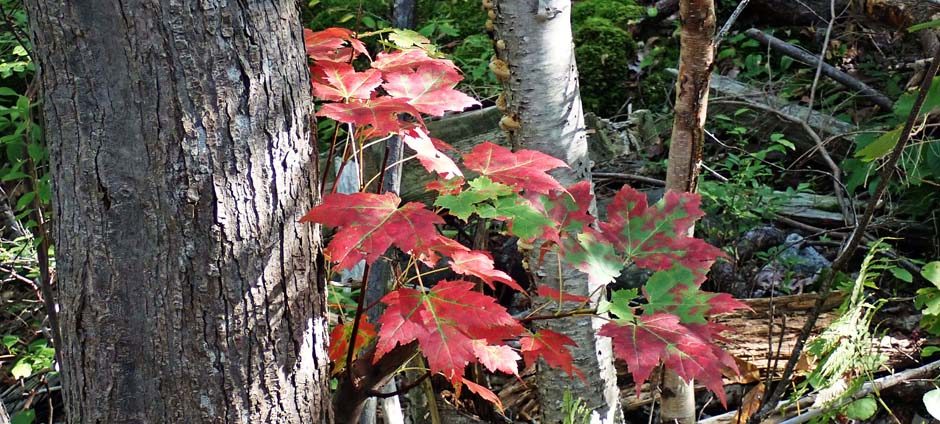
Reproduced on NSFM with permission
and our thanks.

If a sadness rises up before you larger than any you have ever seen; if a restiveness, like light and cloud-shadows, passes over your hands and over all you do…. You must think that something is happening with you, that life has not forgotten you, that it holds you in its hand; it will not let you fall.” Rilke
In a world increasingly zombified by the banality of uniformity, predictability and control, I find myself falling more and more in love with nature’s inclination to surprise. To misbehave, if you will.
All winter I have been observing the old apple trees who kept their fruit. Hanging from naked twigs, each passing day the pommes become more and more rotten as ice expands and contracts. Early mornings, crystalline fructose bursts the skin to sparkle, diamond-like, in the coldest sunlight. The fruit is long past its autumn blush, now burnished copper. Wrinkled and worn.
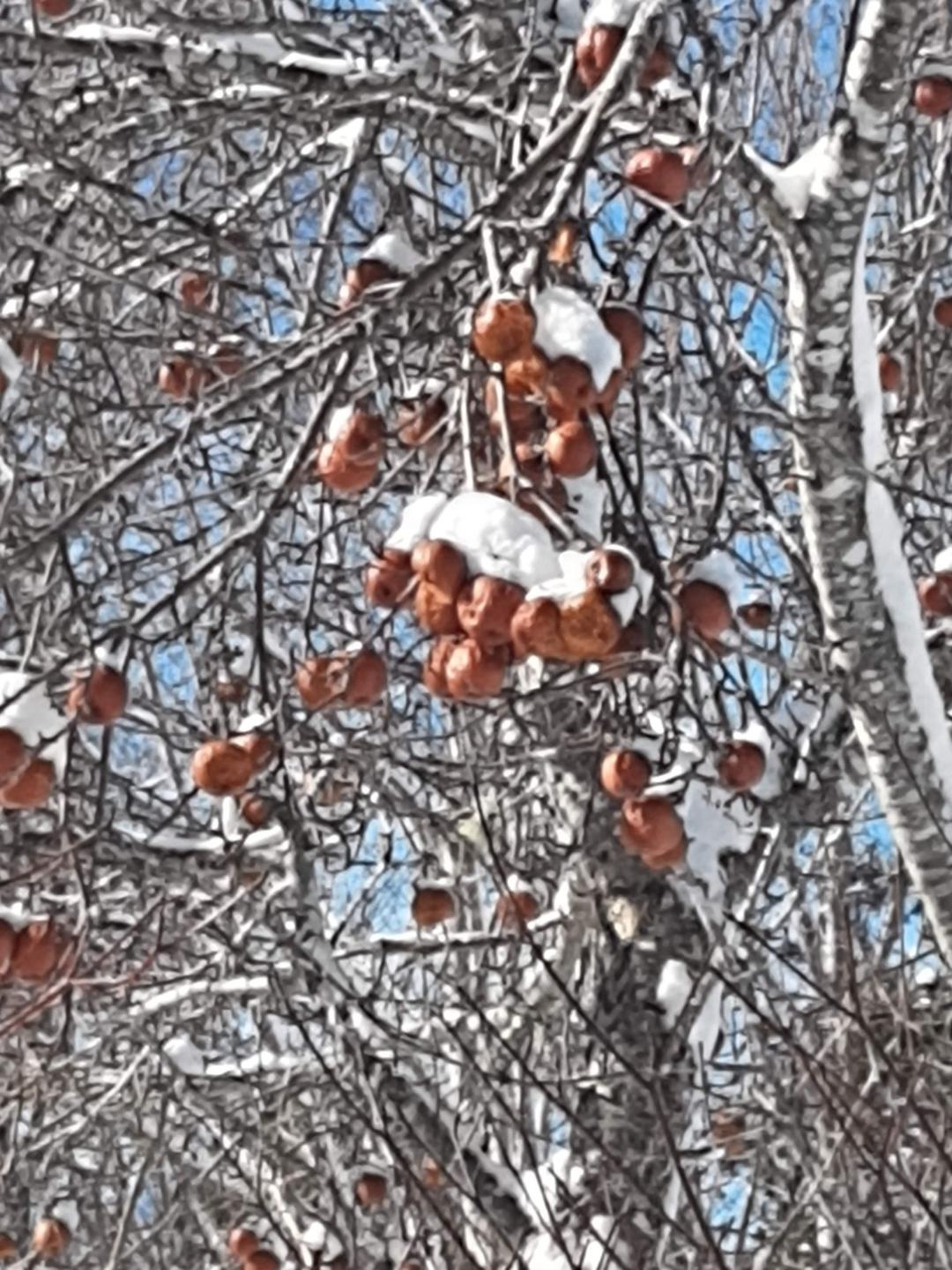
“Now burnished copper. Wrinkled and worn.”
In the parlance of modern-day agriculture, this is known as “persistent fruit” Really, it’s a thing!. An unwanted thing for most orchardists. A genetic throwback to some past-life when trees didn’t grow in rows, and humans didn’t concern themselves with commodity markets. Trees (as well as many humans) had ulterior motives then.
Then was a time a tree might choose to winter bless a bird or squirrel, or any other creature awake and hungry in the blistering cold of February. Then was a time of different motives. Different words. Different relationships. Different wisdom.
Now, stepping into the other side of winter most of the fruit is gone. Yet the birds still come – cedar waxwing, evening grosbeak, crow, American Robin (yes, there has been a robin here all winter). They hope (I imagine) that there will be one more sweet morsel, one more beakfull of energy to propel them closer to spring. For a bird, persistent, rotting fruit is the glory of life itself.
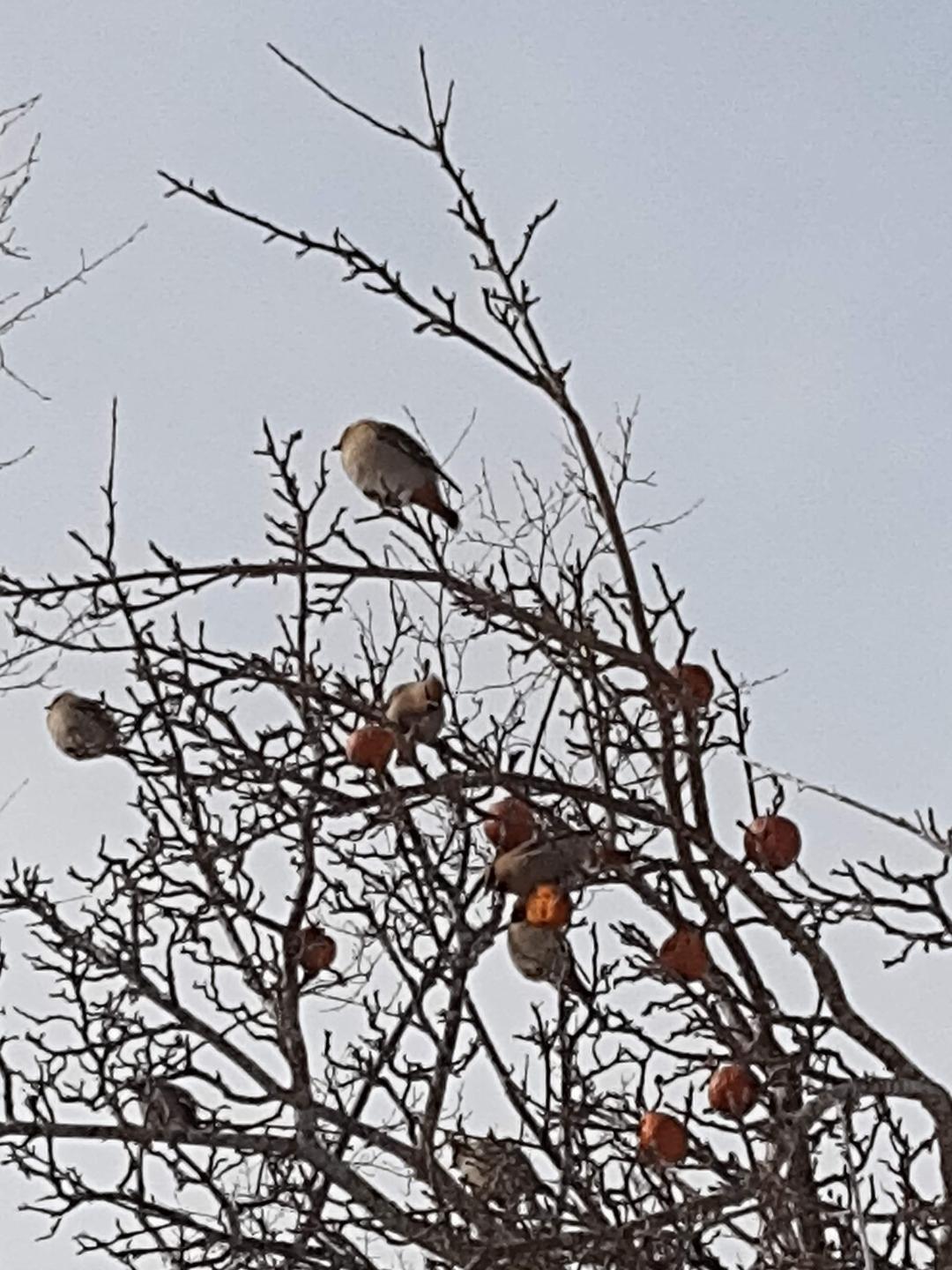
(The joy of a flock of cedar waxwings)
Reference
Letters to a Young Poet (Letter 8) – Rainer Maria Rilke
Borgeby gård, Flãdie, Sweden August 12th, 1904. Translated by M. D. Herter Norton (W. W. Norton & Company, Inc.,1934)