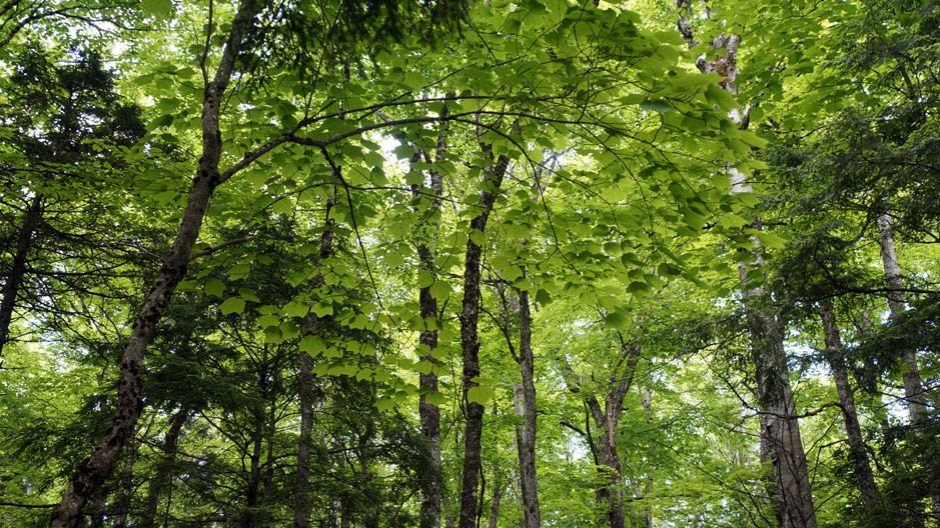
Wrote Nina Newington a few days ago, on day 171 of Camp Now:
Sound of Silence at Corbett-Dalhousie Lakes forest. June 15, 2019 (Photo by David P)
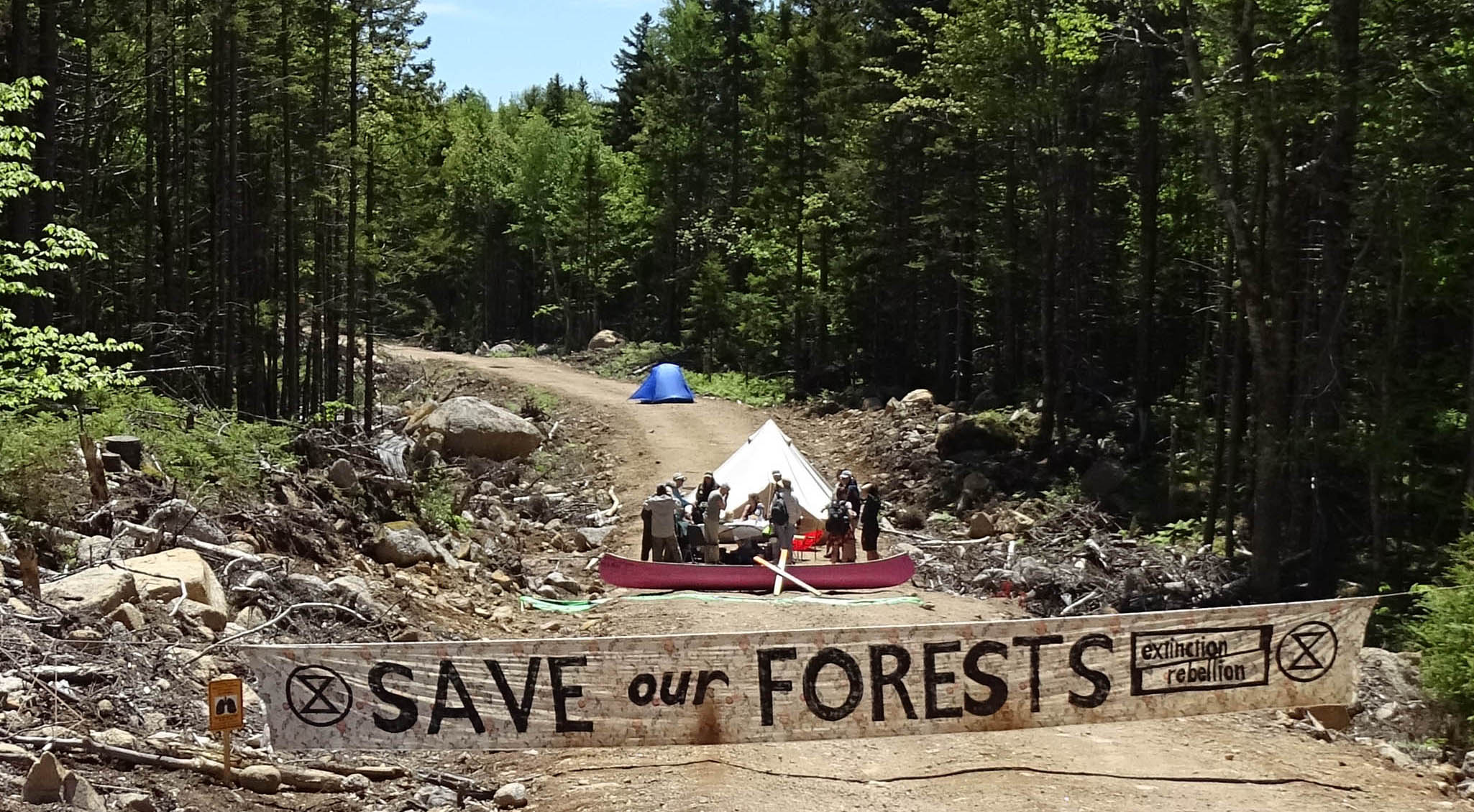
“It would be inevitable that nests are destroyed” if harvesting during nesting season went ahead, Marcus Zwicker admitted on CBC‘s Information Morning on June 12, 2019. The general manager of WestFor at the time, Zwicker was answering questions about the logging that was supposed to have started on the peninsula between Corbett and Dalhousie Lakes. A handful of us were in the way, camped out on the logging road into the peninsula, close to where Camp NOW is currently set up.
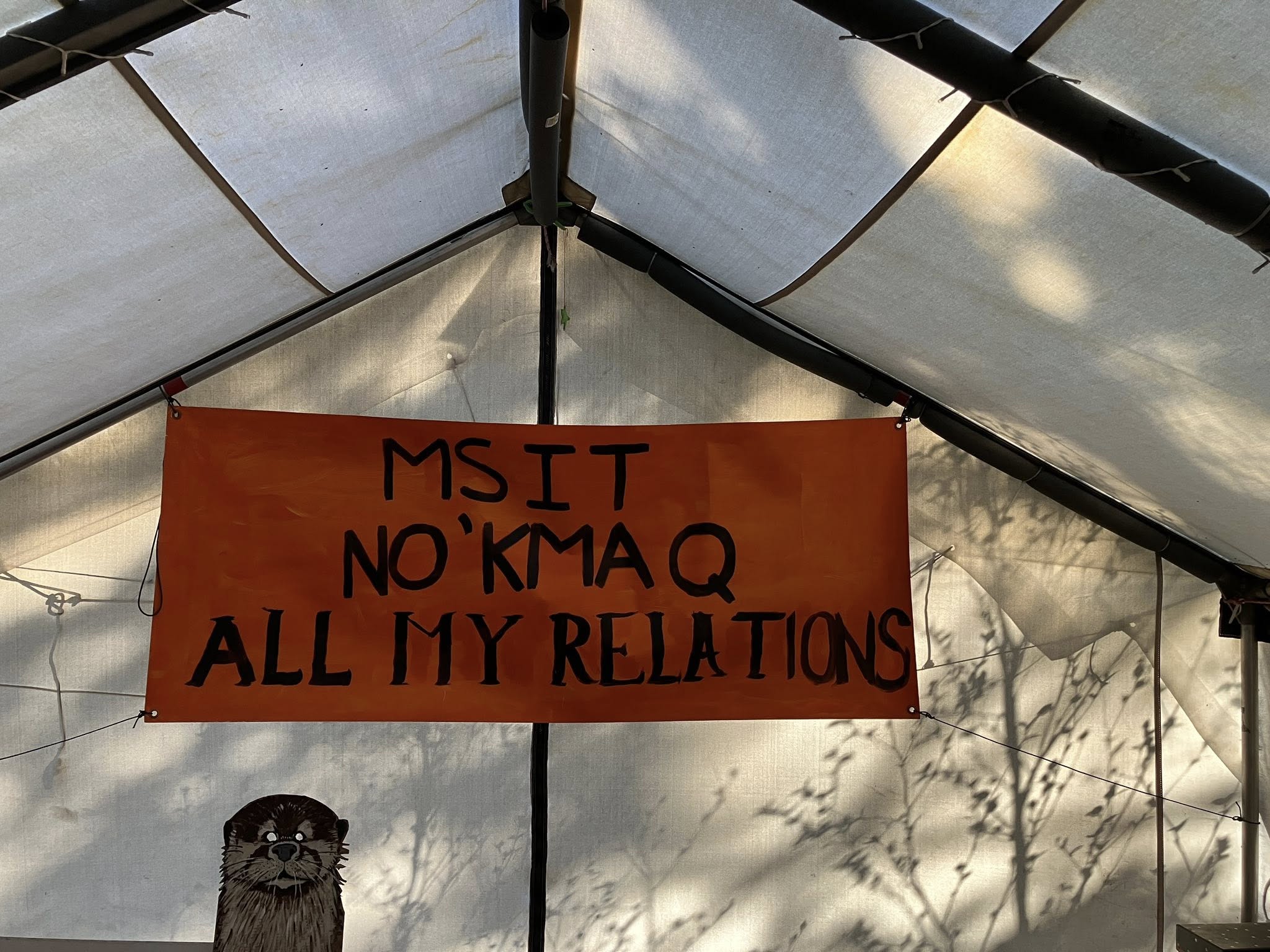
Just when I was feeling grim the sun came out and made beautiful shadows. The otter came out to enjoy them too.
I remember waking up in my tent the first morning, ears thrumming with the dawn chorus. I lay and listened, marveling, but then, soon, I was thinking about birds returning to familiar forest from their long migrations, only to find their nesting grounds cut. It felt good to be there, on that logging road, doing what I could, and even better when the birders began to arrive. They recorded the presence of endangered chimney swifts — bats too — and, day after day, they combed the woods for nests.
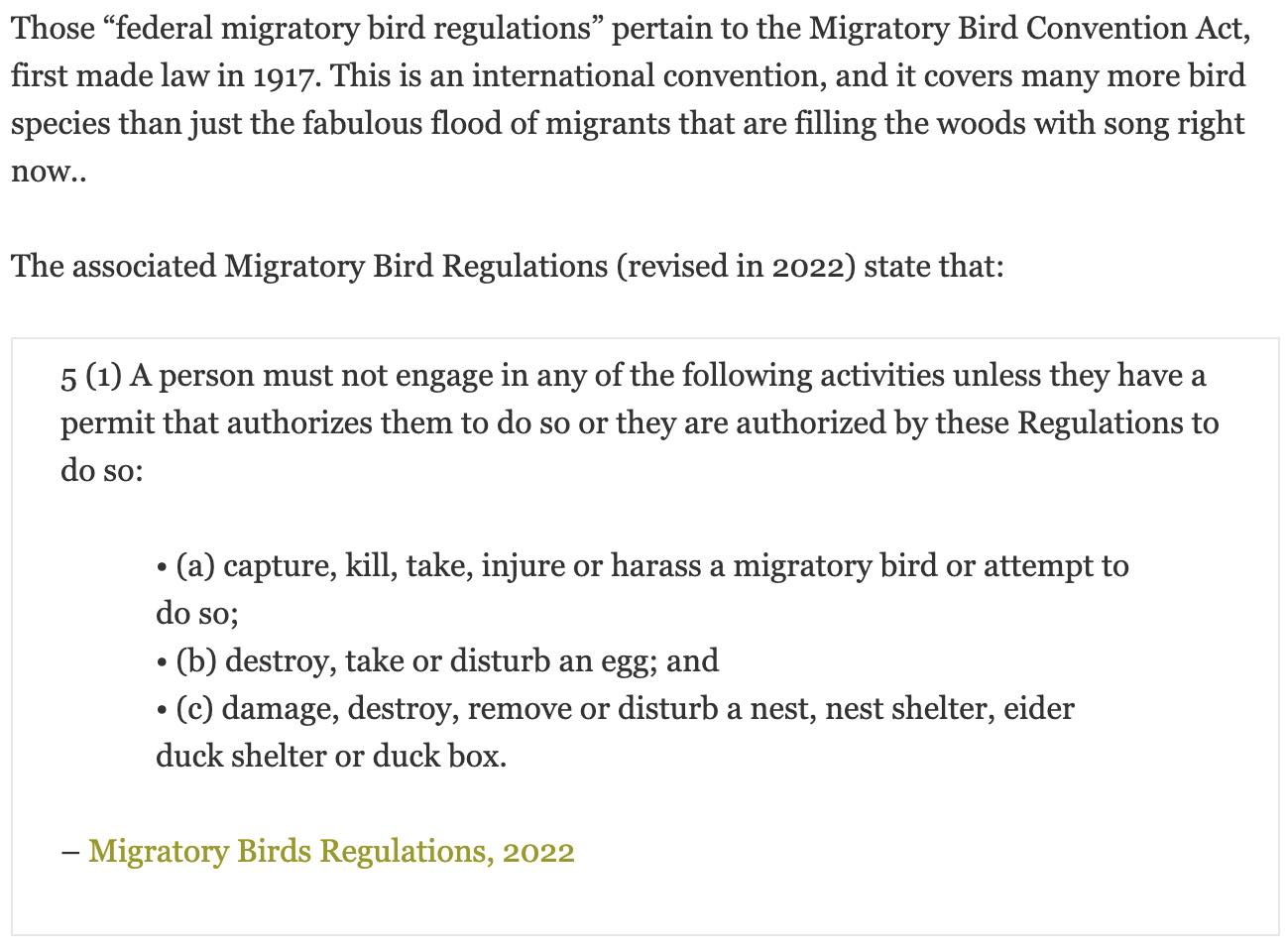
From the Migratory Bird Regulations
Why nests? Because there is a law against harming nesting birds, their nests, their eggs and fledglings. The Migratory Bird Convention Act has been on the books since 1917. It covers many non-migratory birds, as well as the migratory ones. This law, an international convention, has only been patchily enforced, but it is on the books. Any company with a genuine claim to be doing ecological forestry stays out of the woods during the peak nesting season (roughly May 21 to July 21 for Nova Scotia). Why? Because, as Marcus Zwicker said, “it would be inevitable that nests are destroyed” if harvesting is done during nesting season.
Earlier in the interview, when asked whether WestFor could delay the harvest till after nesting season, Zwicker replied that they could and did change the harvesting schedule for snowmobiles but not for birds. A couple of years later, when I met with Stephen McNeil, who was my MLA as well as the premier back then, he commented that it was not the birds that stopped the cut at Corbett, “it was that interview.”
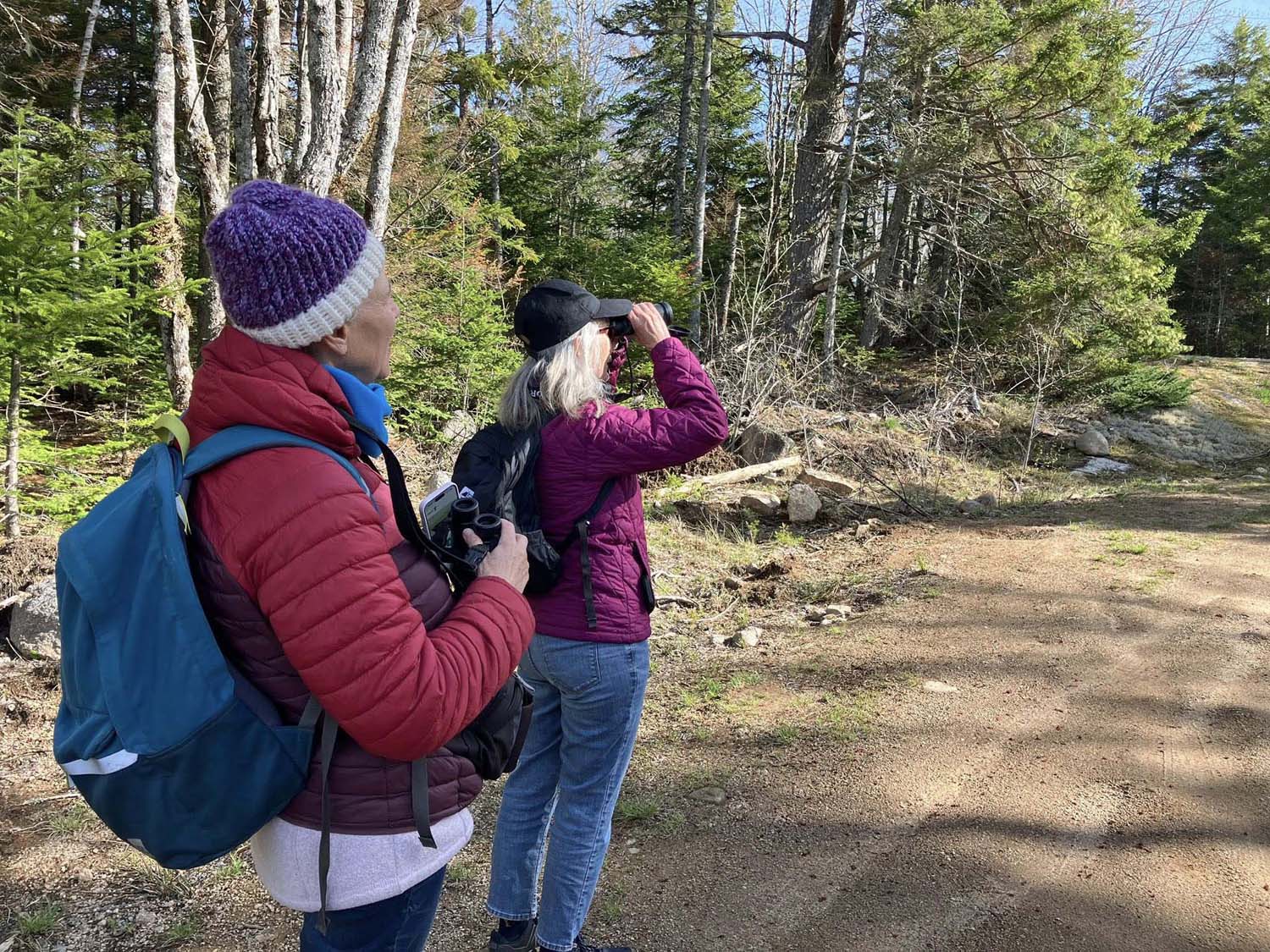
Birders by Camp
The Minister of Lands and Forests (as DNR was called then), Iain Rankin, refused a request by Annapolis County to put a freeze on logging the peninsula, but a few days later — two days after the CBC interview, to be precise — he reversed course and placed a temporary hold while species art risk concerns were investigated.
Freedom of Information requests show that the hold that was put on logging the Corbett peninsula stayed in place till September 2024. Then, under sustained pressure from WestFor, it was formally lifted by the Minister of Natural Resources, Tory Rushton. Harvest plans were approved, then amended to reflect multiple species at risk lichen occurrences reported by citizen scientists, as well as the three stands of old growth forest that DNR somehow decided existed in spite of years of vigourous denial. The revised plans were approved in March 2025. Fresh flagging went up, marking the largest cut block on the peninsula, in November.
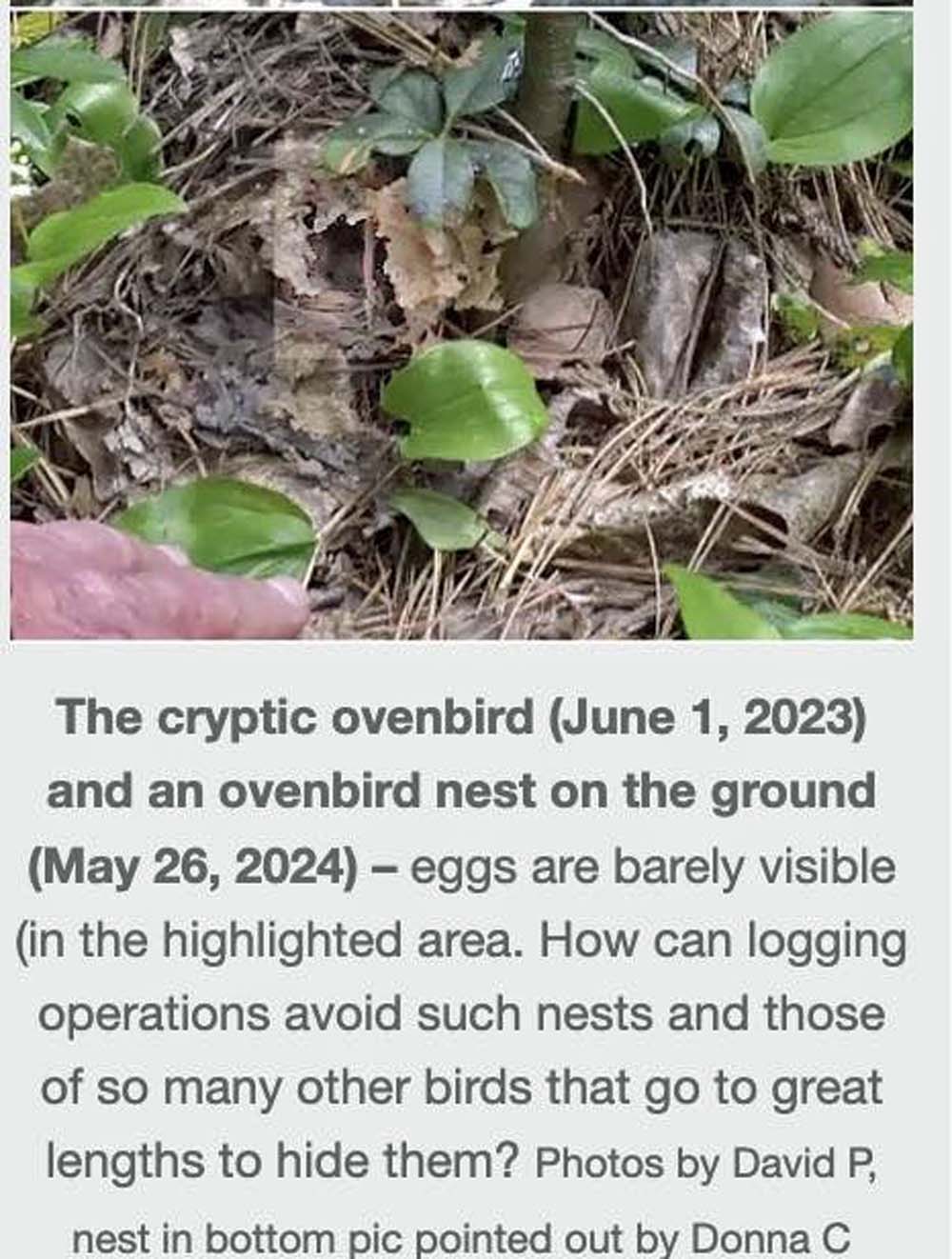
There really is a nest there.
Will WestFor’s contractor try to cut this nesting season? My best guess is they won’t. Last April, responding to a constituent outraged by the logging taking place in a different part of the proposed Goldsmith Lake Wilderness Area, our MLA, David Bowlby, assured her that:
« All operations adhere to federal migratory bird regulations, including seasonal restrictions to avoid nesting periods. »
A month or so later, in response to a direct question on Facebook as to whether the harvesting would stop for nesting season, the contractor, Josh Morse, said yes. By May 25th the logging equipment had been removed.
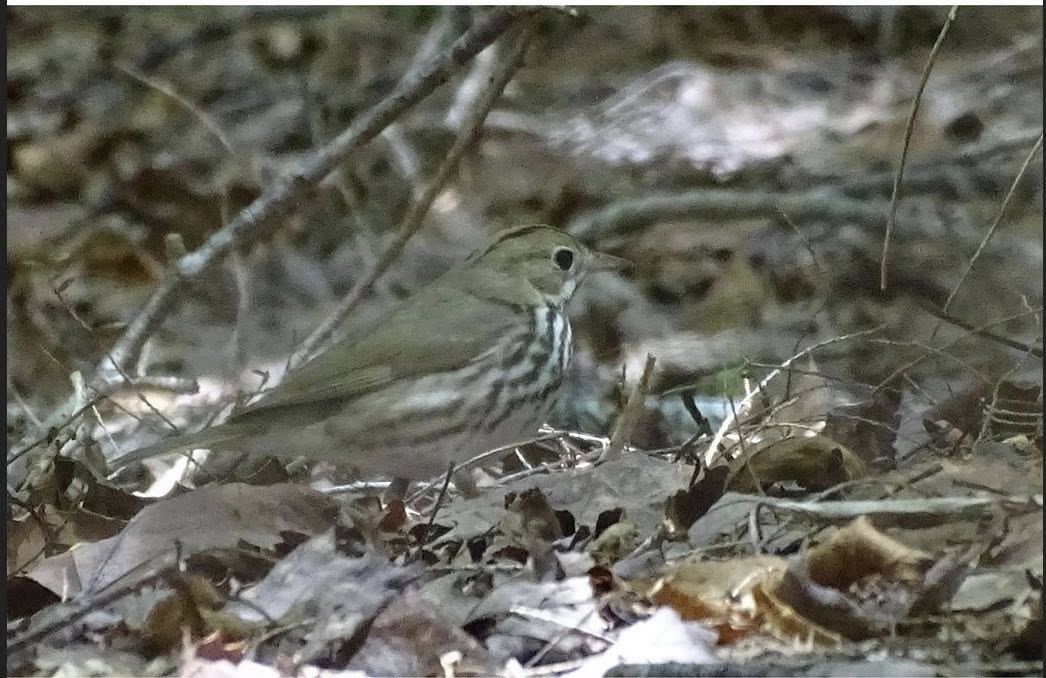
Oven Bird (Photo by David P)
It’s possible that the contractors are more tuned to their legal obligations, public sentiment and perhaps even the needs of wildlife, than WestFor. Back in 2019, CTV reported that Stephen Saunders, the contractor at the time, stated “logging at Corbett-Dalhousie Lakes would not be starting until later in the summer and that they follow strict guidelines”. Marcus Zwicker, on the other hand, hastened to say that the delay was related to weather, not to concerns about nesting birds. You wouldn’t want to set an inconvenient precedent by following the law.
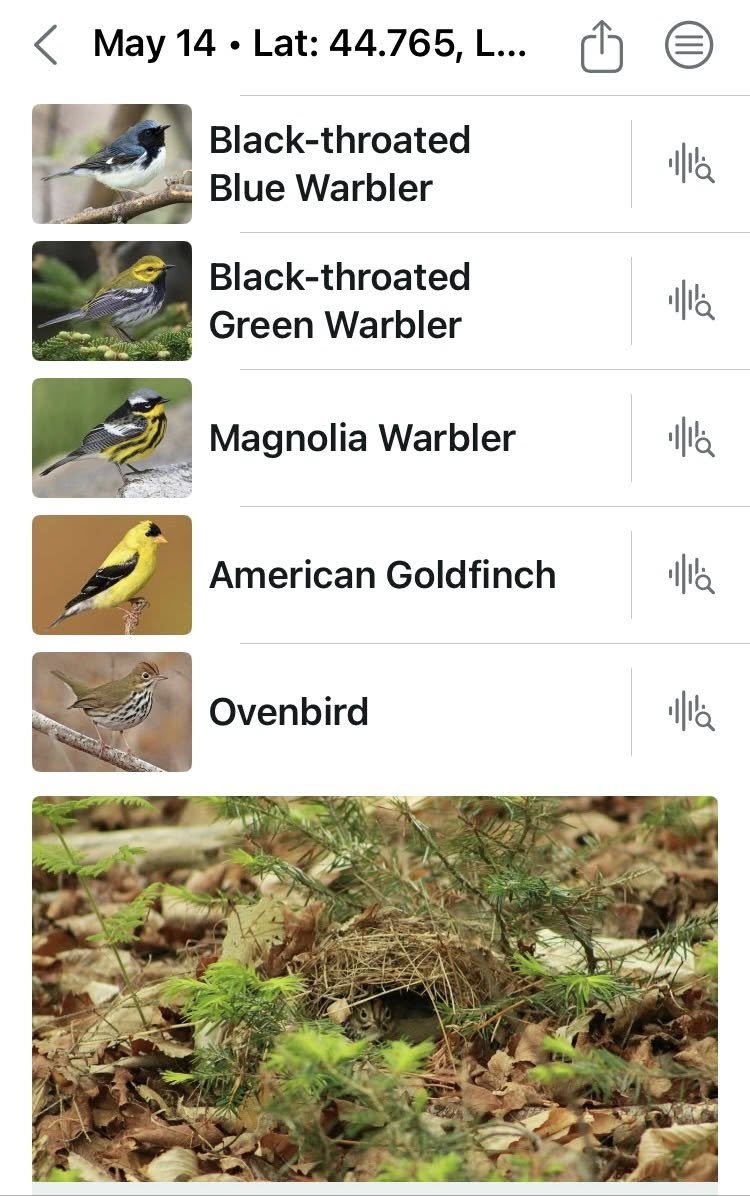
The Ovenbird gets its name from the domed Dutch oven-shaped nest. Easier to see in this Merlin photo
As for DNR, with the Wildlife Division disbanded and the Manager of Biodiversity, Dr. Donna Hurlburt, fired, it falls on us, the public, to stand up for the birds. Sorry to do this to you but please, picture a tiny Ovenbird clinging to her nest on the forest floor, unwilling to abandon her babies, as the massive metal tracks of the harvester come closer. The operator will never know what he has done but the destruction is entirely predictable. WestFor knows this. DNR knows it. It is “inevitable that nests are destroyed” if harvesting takes place during nesting season.
DNR and WestFor must also know that the Corbett peninsula will be swarming with birders over the next two months. Save Our Old Forest’s upcoming Birding By Ear workshop filled up weeks ago. Citizen scientists are installing multiple monitoring devices to record the different species of birds that are here. The more people who visit the peninsula the better.
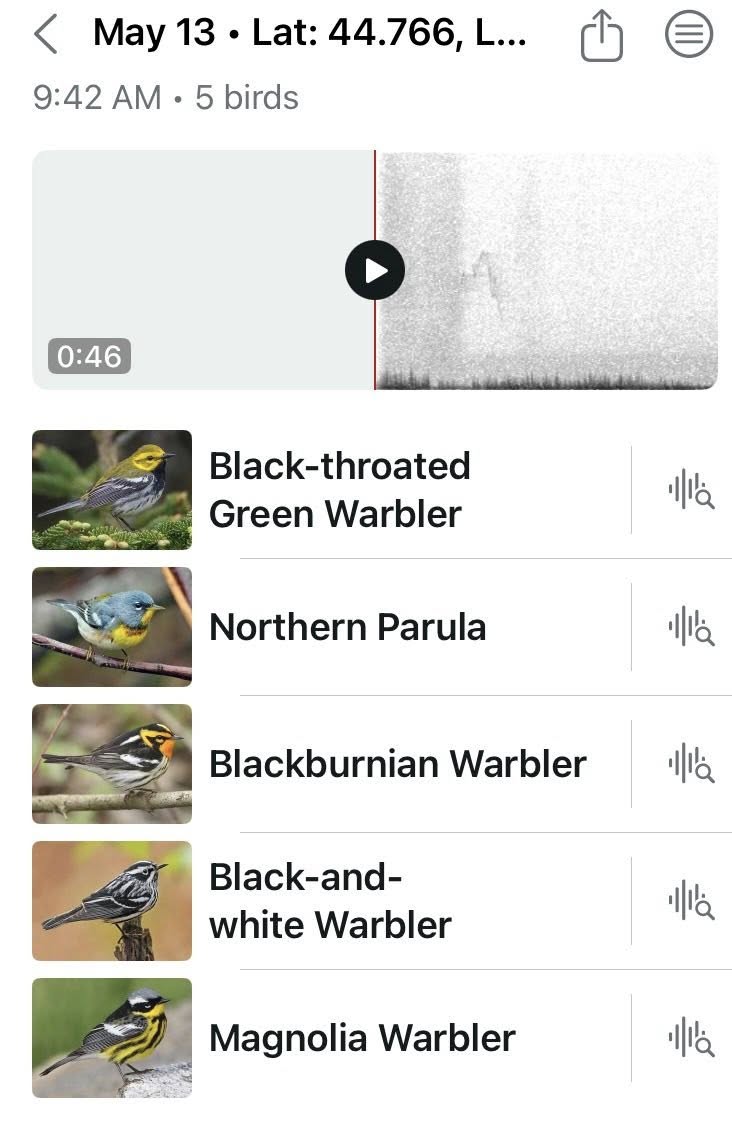
So many birds returning.
You don’t have to be an expert these days to identify an astonishing array of bird species. Install the free Merlin app on your phone and sally forth, alone or in impromptu birding groups. Save and take screenshots of your sound recording lists and post them on social media with a little note saying you visited the Corbett Peninsula. Share them to the Friends of Goldsmith Lake Facebook group. If you don’t use social media, send the best shots to soof@saveouroldforests.ca
And if you record or photograph any species at risk birds, please let SOOF know asap. Namely: Canada Warbler, Chimney Swift, Common Nighthawk, Eastern Wood Peewee, Evening Grosbeak, Olive Sided Flycatcher, Rusty Blackbird.
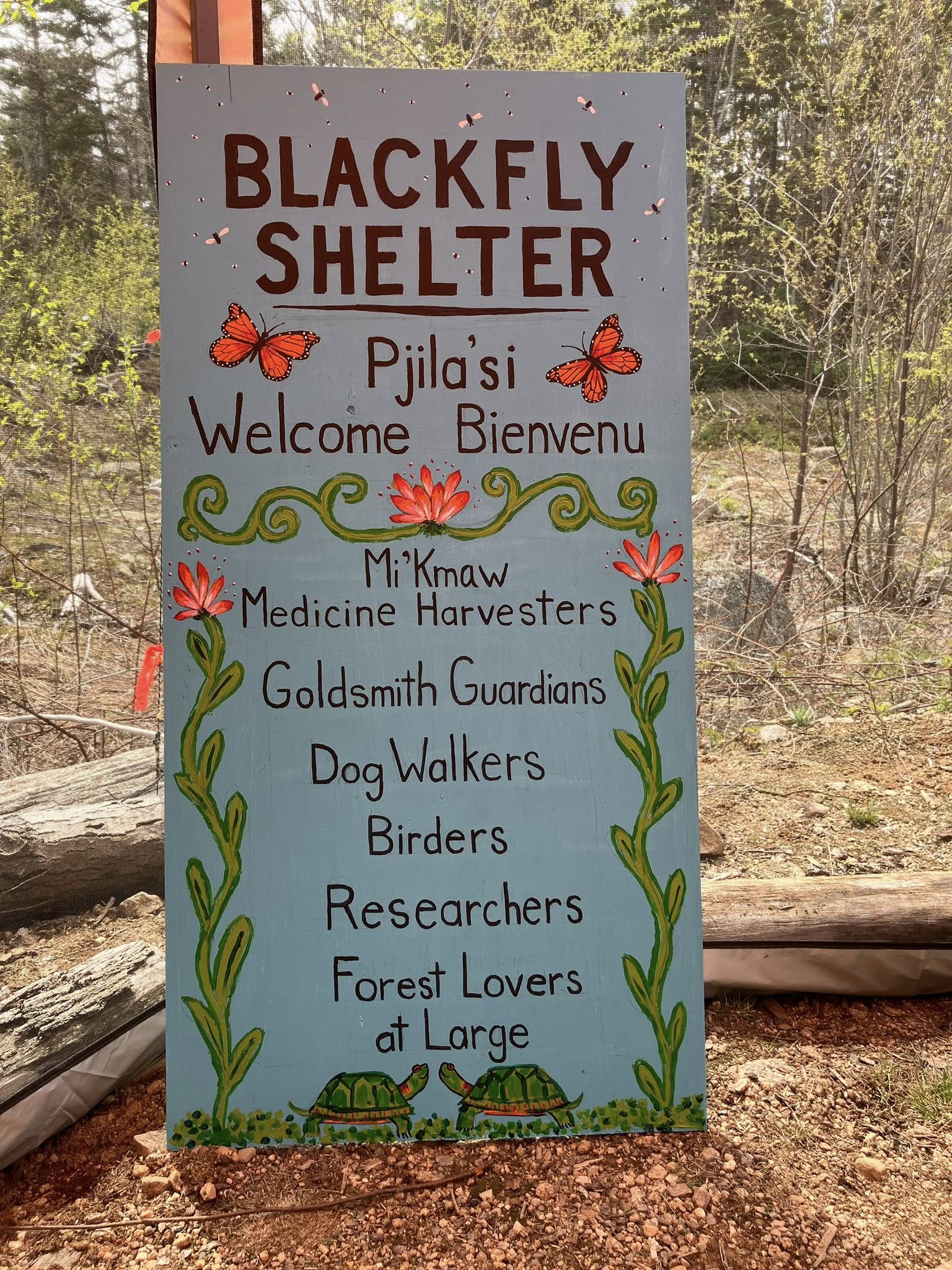 Currently the blackflies are serving an all you can eat buffet for the birds. The best time to be out is before about 8:30 AM, but they’ll quiet down soonish. And there is a screen tent at Camp NOW that everyone is welcome to use.
Birders helped to save the forest on the Corbett peninsula seven years ago.
Join us now in protecting this forest for the next seven generations of humans as well as for the birds and all our other relations.
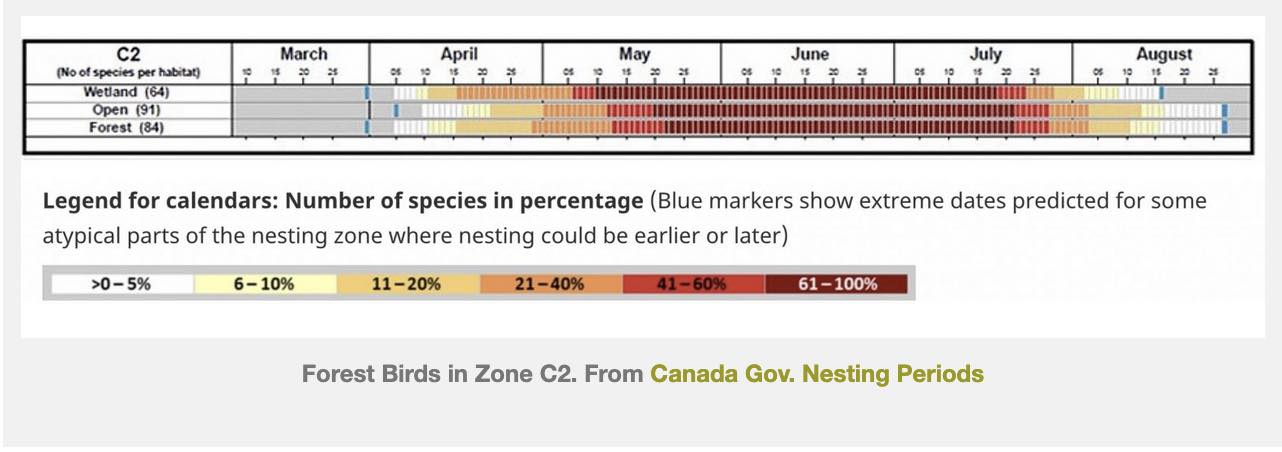
From Environment and Climate Change Canada